
Yom Kippur fasting is the most demanding physical observance in the Jewish year, and it asks a great deal of the body in a single day. Roughly 25 hours without food or water is not a small thing, particularly for older adults and anyone managing a chronic condition. This guide sets out the practical medical advice, the traditional exemptions and the safest way to break the fast at the end.
When the 2026 fast starts and ends
Yom Kippur 2026 began at sunset on Sunday 20 September and concludes at nightfall on Monday 21 September. The Jewish day starts in the evening, which is why the observance spans two calendar dates.
Exact times differ by location, because they depend on local sunset. Synagogues and community calendars publish precise start and end times for each city. Consequently it is worth checking a local listing rather than relying on a national figure.
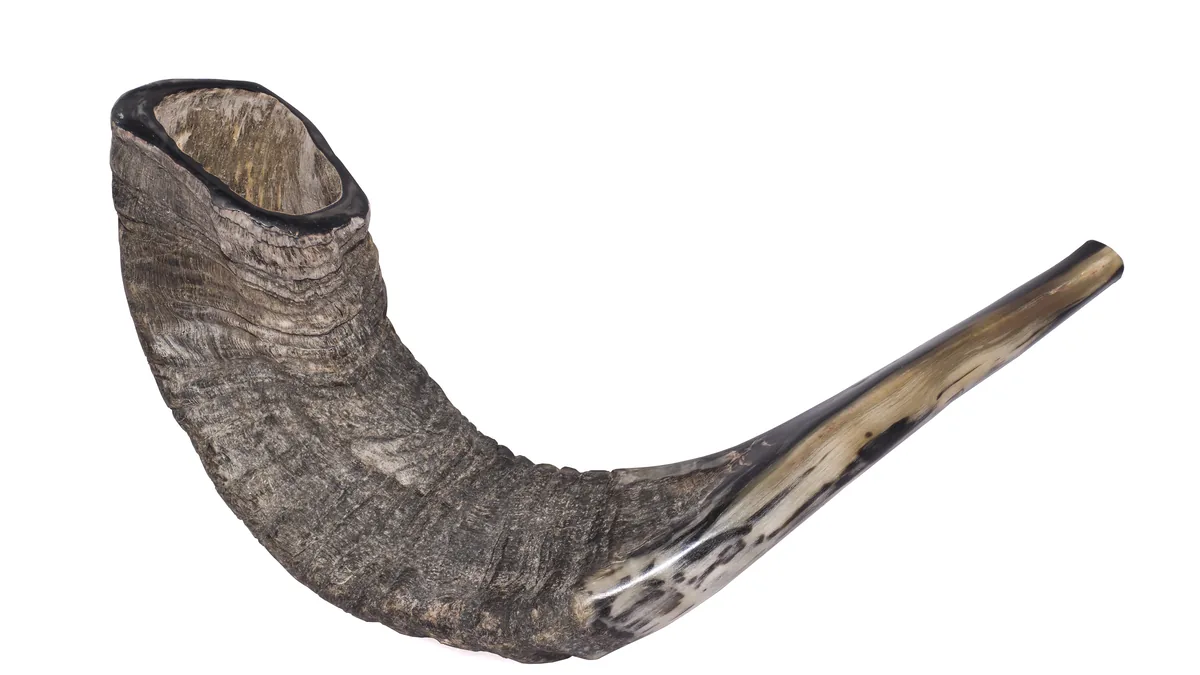
The day closes with the Neilah service and a single long blast of the shofar. That sound marks the end of the fast.
What Yom Kippur fasting involves
The fast is total. Unlike some other traditions, it excludes water as well as food, and there is no permitted window during daylight.
Five restrictions apply in total. Alongside eating and drinking, observant Jews traditionally refrain from washing for pleasure, applying lotions or oils, wearing leather shoes and marital relations. Together these are intended to turn attention away from physical comfort.
Most of the day is spent in synagogue. Services begin with Kol Nidre in the evening and continue through the following day, which means many hours of standing and concentration without fuel.
What Yom Kippur fasting does to the body
The first stage is straightforward. Blood glucose falls, the body uses stored glycogen, and most healthy adults manage this comfortably for the first twelve hours or so.
Dehydration is the harder problem. Because water is excluded, fluid losses through breathing and skin continue with no replacement. Headache, tiredness and difficulty concentrating usually follow, and they tend to peak in the afternoon.
For healthy people none of this is dangerous. However, dehydration matters much more for anyone with kidney disease, heart failure or a condition managed with diuretics. Those groups need medical advice well before the day.
Who is exempt from Yom Kippur fasting
Jewish law treats preservation of life as the overriding principle, a concept known as pikuach nefesh. Therefore anyone whose health would be endangered is not merely permitted to eat, but required to.
Exemptions traditionally cover people who are seriously ill, those recovering from surgery and women who have recently given birth. Children below the age of religious majority are also exempt, and are introduced to fasting gradually instead.
Where the position is unclear, the usual practice is to consult both a doctor and a rabbi. Many rabbinic authorities also describe eating in small measured amounts, known as shiurim, for people who need some sustenance but wish to observe as fully as possible.
This article is general information rather than medical or religious guidance. Individual decisions belong with your own clinician and your own rabbi.
How to prepare in the days before
Preparation beats endurance. Most of the difficulty people report with Yom Kippur fasting is built in the days before, not on the day itself. Hydration should start two or three days ahead, not in the final hour before sunset.
Drink steadily across those days and aim for pale urine as a rough guide. Loading up with several litres immediately before the fast does not work, because the kidneys simply clear the excess.
Salt intake deserves attention too. Very salty food in the preceding days increases thirst during the fast. Similarly, alcohol dehydrates, so it is best avoided on the evening before.
The pre-fast meal that actually helps
The meal before the fast, the seudah mafseket, sets up the next 25 hours. Composition matters more than volume.
Build it around slow-releasing carbohydrates such as rice, pasta, potatoes or wholegrain bread. Add moderate protein, some fat and plenty of vegetables. These digest slowly and keep blood glucose steadier through the night.
Avoid the temptation to eat enormously. A very large meal causes discomfort and can actually accelerate hunger the next morning. Skip heavily salted dishes, and go easy on sugary desserts, which produce a sharp rise and a sharper fall.
Managing caffeine withdrawal
The classic fast-day headache is often caffeine withdrawal rather than hunger. Regular coffee drinkers feel it from late morning onwards.
The fix is gradual reduction. Cut intake by roughly half over the three to five days before the fast, then taper further. Some people also take a paracetamol-based painkiller before the fast begins, although timing should be discussed with a pharmacist.
Nicotine withdrawal follows a similar pattern for smokers. Planning ahead makes the day considerably easier.
Medication and Yom Kippur fasting
Essential medication should never be stopped without advice. That point cannot be overstated, and it applies to blood pressure drugs, anticoagulants, epilepsy treatment and psychiatric medication alike.
Speak to a doctor or pharmacist a couple of weeks in advance where possible. Many regimens can be adjusted, for example by switching to a once-daily or long-acting formulation, or by shifting doses to the evening meal and the break-fast.
Rabbinic authorities generally permit swallowing tablets when medically necessary, sometimes with a small amount of water where unavoidable. Again, the combination of medical and rabbinic advice is the right route.
Fasting with diabetes
Diabetes requires the most planning of any common condition. Both hypoglycaemia and hyperglycaemia become more likely across a full day without food.
Anyone using insulin or sulfonylureas should review the plan with their diabetes team several weeks before. Doses frequently need reducing, and the pre-fast meal needs to be timed carefully.
Blood glucose monitoring during the fast is widely considered acceptable, since it involves no eating or drinking. If glucose falls below a safe threshold, treat it immediately. Breaking the fast in that situation is not a failure, and Jewish law explicitly requires it.
Warning signs you should stop
Certain symptoms mean the fast should end, whatever the hour. Fainting or near-fainting is the clearest one.
Others include confusion, chest pain, a racing heartbeat at rest, severe dizziness on standing, and passing very little or extremely dark urine. Persistent vomiting also means stopping, because fluid loss accelerates quickly.
Start with small sips of water rather than a large drink. If symptoms do not settle within a short time, seek medical help rather than waiting for the end of the day.
How to break the fast safely
The break-fast is where many people make themselves ill. After 25 hours of Yom Kippur fasting the digestive system needs a gentle restart.
Begin with water or a warm drink, then something small such as a piece of fruit, a few crackers or a light soup. Wait twenty to thirty minutes before the main meal, which gives the stomach time to adjust.
Avoid the classic mistake of heavy fried food immediately. Rich meals on an empty stomach cause nausea, cramps and reflux. Similarly, a large caffeinated drink straight away often triggers palpitations.
Continue rehydrating through the evening rather than in one go. Most people need several hours to replace what they lost.
Yom Kippur fasting for children and teenagers
Children below bar or bat mitzvah age are not obliged to fast. Traditionally, younger children eat normally, while older ones may fast for part of the day as preparation.
Teenagers who are fasting for the first time need practical support. Encourage hydration in the days before, a substantial pre-fast meal and a quiet afternoon rather than sport or heavy activity.
Adolescents with eating disorders are a specific concern, and clinicians generally advise against fasting in that situation. Families in that position should seek both medical and rabbinic guidance.
What the services involve through the day
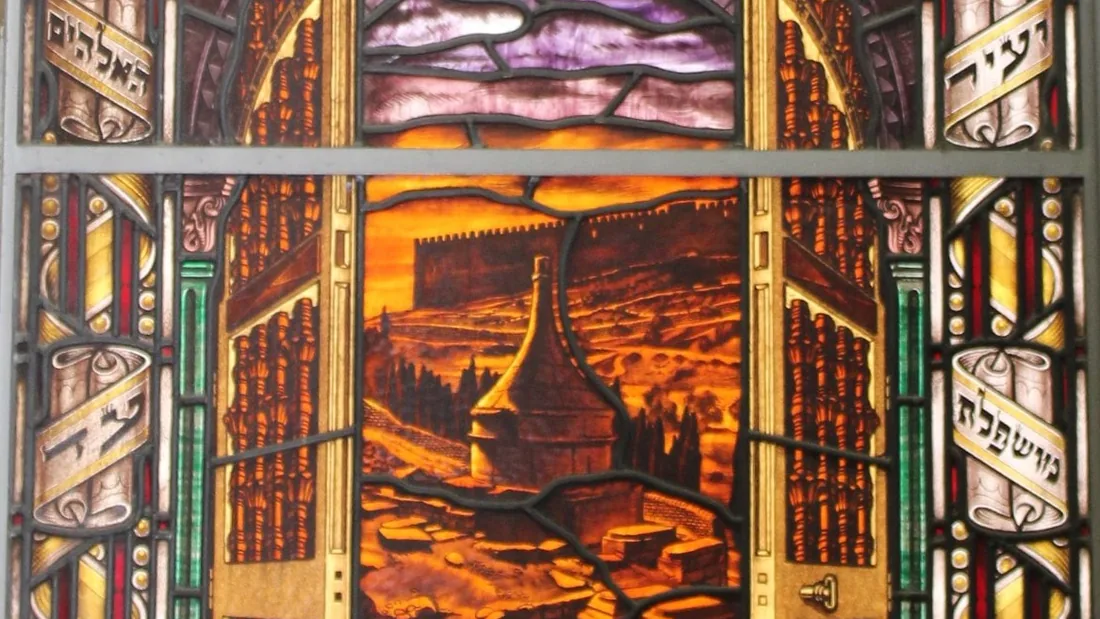
Understanding the schedule helps, because the physical demands are not evenly spread. Kol Nidre opens the fast in the evening, and the atmosphere is unusually still.
Morning services run long, often from early until early afternoon. Musaf follows Shacharit, and both involve extended standing. The afternoon Mincha service includes the Book of Jonah, which many congregations read together.
Neilah, the closing service, comes last. It is recited with the ark open, and worshippers traditionally stand throughout. Because it falls at the weakest point of the day, this is where people most often feel unwell, so sitting when needed is entirely acceptable.
Yom Kippur fasting in hot weather or while travelling
Heat changes the calculation considerably. Fluid losses rise sharply in warm conditions, so a fast that is routine in October can be much harder in an unusually warm September.
Stay indoors during the hottest hours where possible, and choose a cool part of the synagogue. Loose clothing helps, as does avoiding any strenuous activity. Walking a long distance to services in strong sun is worth planning around.
Travellers face a related problem. Air travel is dehydrating, and jet lag disrupts the sleep that makes a fast manageable. Anyone flying shortly before the day should increase fluids in advance and expect the fast to feel harder than usual.
Common myths about Yom Kippur fasting
Several persistent beliefs deserve correcting. The first is that drinking large quantities of water immediately beforehand stores it up. It does not, because the body simply excretes the surplus within a couple of hours.
The second myth is that taking medication breaks the fast in all circumstances. Most authorities treat necessary medicine differently from food, and health considerations carry significant weight.
A third belief holds that feeling unwell is part of the observance. It is not. Jewish tradition treats the body as something to be protected, and eating when health requires it is the correct religious response rather than a lapse.
Frequently asked questions
Is water allowed during Yom Kippur fasting?
No, the fast excludes drinking as well as eating. Water is permitted only where health requires it, and that decision should be made with medical and rabbinic advice.
How long is the fast?
It runs for approximately 25 hours, from shortly before sunset until nightfall the following evening. Exact local times vary.
Can I take painkillers during the fast?
Many authorities permit swallowing necessary tablets without water. Discuss the specifics in advance, particularly for medication that normally requires food.
What should I do if I feel faint?
Sit or lie down, and take small sips of water. Preserving health takes priority over completing the fast, so do not wait for symptoms to worsen.
The bottom line
Most healthy adults complete the day without difficulty, and preparation is what makes the difference. Hydrate early, taper caffeine, eat a sensible pre-fast meal and rest during the afternoon.
For anyone with a medical condition, the guiding principle is clear in both medicine and Jewish law: health comes first. Read more in our health news section, and see how this newsroom works on the about page. General fasting and hydration guidance is also published by the NHS.
Leave a Reply