
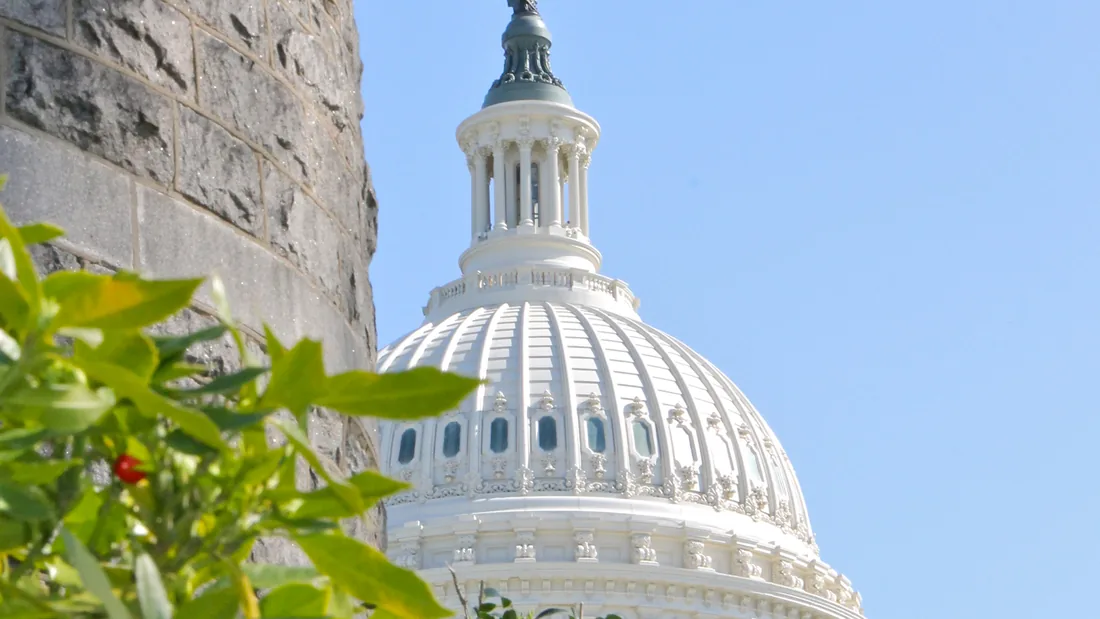
The federal fiscal year ends on 30 September, and in most years that date comes with a countdown to a government shutdown. This year it passes quietly, because Congress settled the question four weeks early.
Lawmakers cleared a stopgap funding bill on 1 September that keeps federal agencies running at current levels through 11 December 2026. NPR reported the House passing it 370 to 48, after the Senate approved the same measure in August by 90 to 6.
What a continuing resolution actually does
A continuing resolution, or CR, is a temporary extension. It does not set new spending priorities. Instead it keeps money flowing at the previous year’s levels until a given date, which buys time for the full appropriations bills.
In practical terms, agencies keep operating, federal staff keep being paid, and the programmes people rely on carry on. Meanwhile the underlying disagreements about the next budget remain unresolved.
Why a government shutdown was avoided this time
Two things made agreement easier. First, the vote margins were wide in both chambers, which suggests neither side wanted this fight now. Second, the November midterm elections sit between the vote and the new deadline, and a shutdown during a campaign is an expensive thing to own.
The effect is that the argument has been moved rather than settled.
The date that now matters: 11 December
Because the stopgap runs to 11 December, that is the next genuine deadline. Congress will by then need either full-year appropriations bills or another extension. Consequently the shutdown question returns in the winter, with a newly elected Congress waiting in the wings.
Money is the other half of the story, and our report on the 30-year fixed mortgage rate covers what households are feeling now. Watch for three signals between now and then: whether individual appropriations bills start passing, whether leadership talks about a full-year CR, and how much floor time December actually has.
What a shutdown would have meant
- Furloughs. Staff in non-essential roles stop working and stop being paid until funding returns.
- Essential work continues. Air traffic control, border security, active-duty military and similar functions carry on, often without immediate pay.
- Benefits mostly continue. Social Security and Medicare payments are funded separately, although customer service slows.
- Services close. National parks, passport processing and permit offices are usually the first things the public notices.
None of that is happening on 1 October this year. For the wider context on Washington this month, see our reports on Camp David explained and the Florida race we have been following.
Questions about the government shutdown deadline
Is the government shutting down on 1 October 2026?
No. Funding was extended on 1 September and runs through 11 December 2026.
Does a CR mean the budget is agreed?
No. It is a pause, not a settlement. The full-year spending bills still have to pass.
When is the next risk point?
11 December 2026, unless Congress acts sooner.
Sources: NPR and the 2026 United States federal budget record. We will update this page as the December deadline approaches.
Leave a Reply