
Dengue fever has become a routine travel worry for Americans, and in 2026 it is also a domestic one. The Centers for Disease Control and Prevention has logged well over a thousand cases this year across dozens of states and territories. Meanwhile, the mosquito that carries the virus keeps expanding its range northwards. This guide explains the symptoms, the warning signs that matter and the steps that actually reduce risk.
What dengue fever actually is
Dengue is a viral illness spread by mosquito bites. Four closely related versions of the virus circulate, and scientists label them DENV-1 through DENV-4. Infection with one type gives lasting protection against that type only.
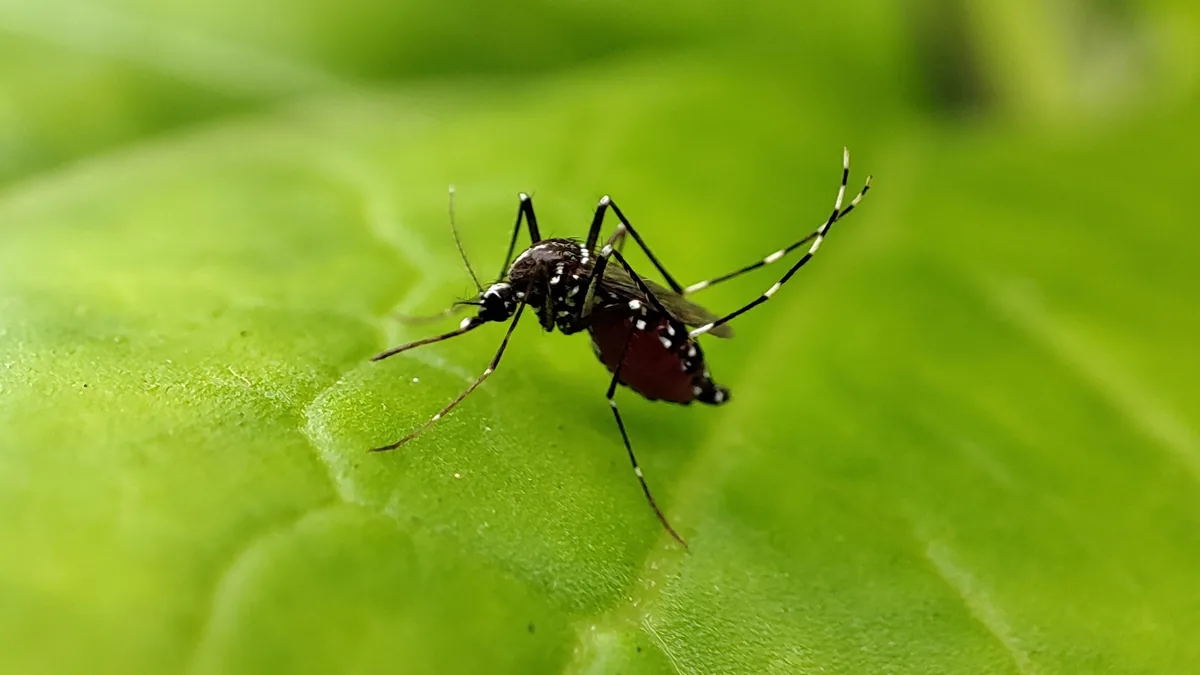
Two mosquito species do the work. Aedes aegypti is the main carrier, while Aedes albopictus, the Asian tiger mosquito, also spreads it. Both bite mainly during daylight hours, which surprises many travellers who expect mosquito risk at night.
Symptoms usually begin four to ten days after a bite. However, most infections cause nothing at all. The CDC estimates that roughly one in four infected people actually becomes ill.
Dengue fever symptoms to know
The illness arrives quickly rather than gradually. Fever climbs fast, often reaching 104 degrees Fahrenheit, and it usually lasts between two and seven days.
Alongside the fever, the classic picture includes a severe headache and pain behind the eyes. Muscle, joint and bone pain follow, which is why the illness earned the old nickname breakbone fever. Nausea, vomiting and swollen glands are common too.
A rash typically appears two to five days after the fever begins. It often starts on the torso and spreads outwards. Because the rash can be faint on darker skin, it should never be treated as a required sign.
Recovery usually takes about a week. Fatigue, though, can linger for several weeks afterwards, and that slow tail catches many people out.
The warning signs that mean hospital
This is the part worth memorising. Severe dengue develops in roughly one in twenty people who get sick, and it can turn dangerous within hours.
Critically, the danger window opens as the fever drops, not while it is high. Warning signs usually appear 24 to 48 hours after the temperature returns to normal. Feeling better is therefore not proof of recovery.
Go to an emergency department immediately if any of the following appear: severe stomach pain, persistent vomiting, bleeding from the nose or gums, blood in vomit or stool, or extreme tiredness and restlessness. Pale, cold or clammy skin is another red flag.
Severe dengue causes plasma to leak from blood vessels, which can drop blood pressure sharply. Early fluid management saves lives. As a result, timing matters far more than heroics at home.
Why a second infection is more dangerous
Catching dengue once does not make you safe. In fact, the opposite is often true.
Antibodies from a first infection can help a different serotype enter cells more efficiently during a second infection. Researchers call this antibody-dependent enhancement. Consequently, people who have already had dengue face a higher risk of the severe form if they catch another type later.
This single fact drives most public health policy on the disease. It explains the cautious approach to vaccination, and it explains why repeated exposure in endemic regions is treated so seriously.
Dengue fever in the United States in 2026
The domestic picture has shifted. By early August the CDC had recorded 1,454 cases across 36 jurisdictions, and the year began with roughly 500 by late March.
Most continental cases are travel-associated, which means the person was infected abroad. Nevertheless, local transmission has now occurred in Florida, Texas, Hawaii, Arizona and California. Puerto Rico and the US Virgin Islands continue to see sustained transmission.
The regional context is larger still. The Pan American Health Organization is running a Grade-3 outbreak response, its highest level, after the Americas recorded 1,599,333 suspected cases, 3,176 severe cases and 507 deaths through week 33 of 2026. Encouragingly, that total sits about 58% below the same point in 2025.
Where the risk is highest for travellers
In March the CDC issued a Level 1 travel notice covering 16 countries with higher than expected case counts. Level 1 means practise usual precautions, so it is an alert rather than a warning against travel.
Broadly, risk concentrates in tropical and subtropical regions. Central and South America, the Caribbean, South and Southeast Asia, and parts of Africa and the Pacific all report regular transmission. Urban areas often carry more risk than rural ones, because Aedes aegypti thrives around human housing.
Seasonality matters as well. Transmission generally peaks during and shortly after the rainy season. Check the CDC destination page before booking, since notices change through the year.
How dengue fever is diagnosed
Testing depends on timing, and this trips up a lot of patients. Within the first seven days of illness, an NS1 antigen test or a molecular RT-PCR test detects the virus directly.
After that window, antibody testing takes over. An IgM test looks for the immune response rather than the virus itself. Doctors often order both, because the overlap period is genuinely ambiguous.
Tell the clinician about recent travel without waiting to be asked. Dengue looks a lot like flu, malaria, chikungunya and Zika in the early days. That travel history is frequently the detail that leads to the right test.
How dengue is treated
There is no antiviral drug for dengue. Treatment is supportive, which means rest, fluids and careful monitoring.
Use acetaminophen, sold as paracetamol outside the United States, for fever and pain. Avoid aspirin, ibuprofen and other non-steroidal anti-inflammatory drugs entirely. They increase bleeding risk, which is exactly the wrong thing during a dengue infection.
Hydration deserves real attention. Oral rehydration solution beats plain water, because it replaces salts as well as fluid. Patients who cannot keep fluids down need intravenous treatment, and that decision belongs in a clinic rather than a living room.
This article is general information rather than medical advice. Anyone who is unwell after travelling to a dengue area should contact a clinician.
The vaccine situation in 2026
The vaccine picture in the United States is unusual, and it has narrowed this year. Dengvaxia, the only dengue vaccine licensed by the FDA, is being discontinued during the third quarter of 2026 because of low global demand.
Its use was always limited. The vaccine was approved for children aged nine to sixteen with laboratory-confirmed previous infection, living in endemic US territories such as Puerto Rico, Guam, American Samoa and the US Virgin Islands. Remaining doses expire in August 2026, so the CDC advises completing existing series rather than starting new ones.
Takeda’s alternative, Qdenga, is approved in around 40 countries, although the company withdrew its US application in 2023. Trial data put efficacy at roughly 61% against symptomatic disease and 84% against hospitalisation. For now, American travellers therefore rely on bite prevention rather than a shot.
How to avoid dengue fever on a trip
Prevention is unglamorous and highly effective. Start with repellent, and choose an EPA-registered product containing DEET, picaridin, IR3535 or oil of lemon eucalyptus.
Apply it to exposed skin every morning, not only in the evening. Because these mosquitoes bite during the day, an evening-only routine misses the main risk window entirely. Sunscreen goes on first, repellent second.
Clothing helps more than people expect. Long sleeves and trousers reduce exposure, and permethrin-treated fabric adds another layer. Treated clothing survives several washes, so it is worth preparing before departure.
Choose accommodation with air conditioning or intact window screens. If neither is available, sleep under a net. Hotel quality varies enormously, so check photographs of the windows before booking.
Protecting your home and yard
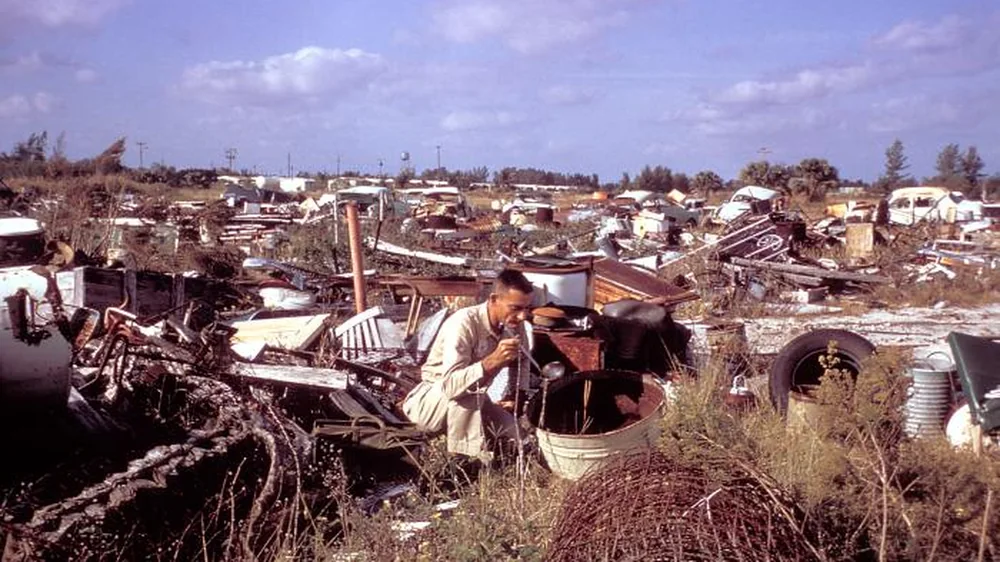
Domestic risk is manageable, and the method is simple. Aedes aegypti breeds in small containers of standing water close to houses rather than in ponds or marshes.
Walk the property once a week and empty anything holding water. Plant saucers, buckets, tyres, birdbaths, pet bowls and blocked gutters are the usual offenders. A bottle cap of water is enough for eggs, so thoroughness beats effort here.
Scrub containers rather than merely tipping them, because eggs stick to the sides and survive drying for months. Cover water storage tanks tightly. Finally, repair torn screens before the summer rather than during it.
How dengue fever compares with chikungunya and Zika
Three mosquito-borne illnesses share the same insect and overlap in symptoms. Telling them apart by feel alone is unreliable, although a few patterns help.
Chikungunya hits the joints hardest, and the pain often persists for months after the fever clears. Zika tends to be milder, yet it carries serious risks during pregnancy. Dengue sits between them, with the sharpest fever and the plasma-leak risk that the other two lack.
Because all three circulate in the same regions, co-infection is possible. Therefore laboratory testing decides the diagnosis, not a symptom checklist.
Dengue fever during pregnancy
Pregnancy adds another layer of caution. Infection during pregnancy has been linked to premature birth, low birth weight and, rarely, transmission to the baby around delivery.
Painkiller choice matters even more in this group. Acetaminophen remains the option, while non-steroidal anti-inflammatory drugs are avoided. Anyone pregnant who develops fever after travelling should contact their maternity team promptly rather than waiting.
What is driving the spread
Several forces are pushing dengue into new territory at once. Warmer average temperatures extend the mosquito season and speed up viral replication inside the insect.
Urbanisation matters just as much. Aedes aegypti is a city mosquito, and dense housing with intermittent water supply creates ideal breeding conditions. Meanwhile, air travel moves infected people between regions within a single incubation period.
Surveillance has improved too, which partly explains rising counts. Still, the northward movement of the tiger mosquito across the United States is a genuine ecological change rather than a reporting artefact.
Frequently asked questions
How long does dengue fever last?
Fever generally runs for two to seven days, and most people recover within about a week. Tiredness can persist for several weeks afterwards.
Can you get dengue fever twice?
Yes. Four serotypes circulate, so a person can be infected up to four times. A second infection with a different type carries a higher risk of severe illness.
Is dengue fever contagious between people?
No, it does not spread through everyday contact. Transmission needs a mosquito, although rare cases occur through blood transfusion, organ transplant or from mother to baby during pregnancy.
When should I see a doctor?
See a clinician for any fever within two weeks of visiting a risk area. Seek emergency care immediately if warning signs appear, particularly after the fever breaks.
The bottom line
Dengue rarely turns severe, yet the severe form moves fast and arrives at a counterintuitive moment. Learn the warning signs, avoid anti-inflammatory painkillers, and treat the falling fever as the moment to pay closest attention.
Prevention remains the strongest tool available in 2026. Repellent during daylight, covered skin and weekly container checks do most of the work. For more reporting like this, see our health news coverage, and read how we work on the about page. Official guidance is published by the CDC dengue programme.
Leave a Reply