
The 30-year fixed mortgage rate has crossed 7 per cent for the first time in about 20 months. Freddie Mac put the national average at 7.03 per cent in its weekly survey for the week ending 24 September 2026, up from 6.95 per cent the week before.
It is the first time the benchmark has sat above 7 per cent since January 2025. A year ago the same average was 6.30 per cent, so borrowers are now paying noticeably more for the identical loan.
What the numbers say
- 30-year fixed: 7.03 per cent, up from 6.95 per cent a week earlier
- 15-year fixed: 6.42 per cent, up from 6.26 per cent
- A year ago: the 30-year averaged 6.30 per cent
Those figures come from the Freddie Mac Primary Mortgage Market Survey, which collects rates from lenders across the country each week. NPR reported the move past 7 per cent as the first in well over a year.
What a 30-year fixed mortgage rate of 7 per cent costs you
Rates are easier to understand as a monthly figure. On a 400,000 dollar loan over 30 years, principal and interest work out at roughly 2,661 dollars a month at 7.03 per cent, against about 2,640 dollars at last week’s 6.95 per cent. In other words, this week’s move adds around 21 dollars a month.
The year-on-year gap matters far more. At 6.30 per cent the same loan costs about 2,476 dollars a month, so a buyer signing today pays roughly 185 dollars more each month than a buyer who signed a year ago. Over a full year that is close to 2,200 dollars.
These are illustrations using principal and interest only. Your own quote will also carry taxes, insurance and any mortgage insurance.
Why the 30-year fixed mortgage rate moved
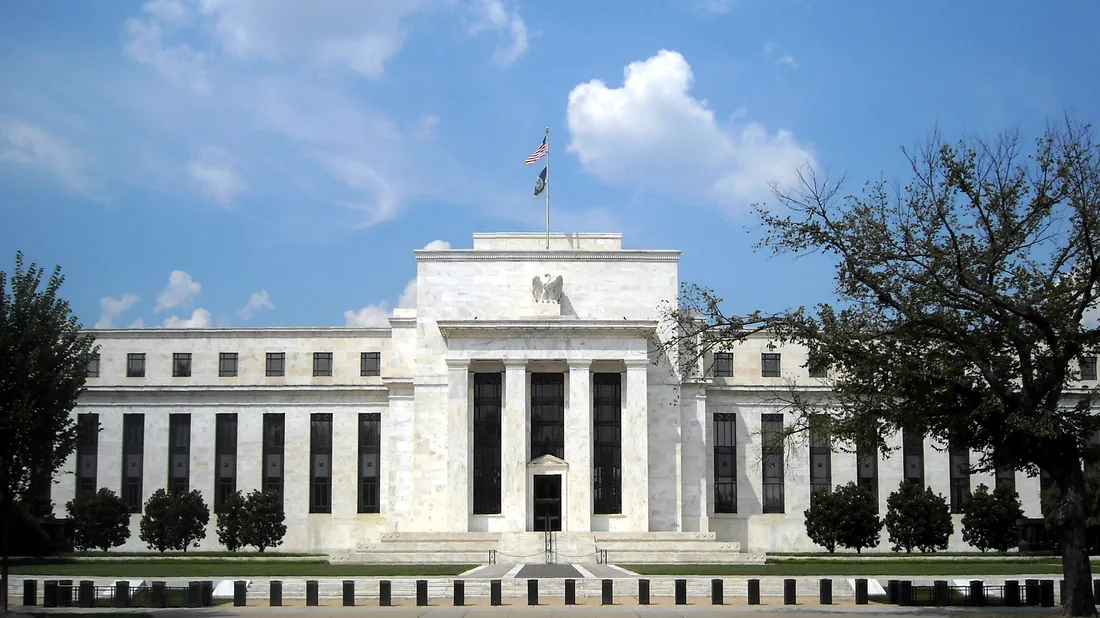
Mortgage rates do not track the Federal Reserve’s policy rate directly. Instead they follow the 10-year Treasury yield, which reflects what investors expect inflation and growth to do over the coming decade. Consequently a mortgage rate can rise even in a week when the Fed does nothing at all.
Lenders then add their own margin on top. That is why two quotes on the same day can differ by a quarter of a point or more.
What buyers can do about it
- Get at least three quotes. The spread between lenders is often worth more than waiting for the market to move.
- Compare at the same number of points. A lower headline rate bought with points is not automatically cheaper.
- Ask what the rate lock costs. Lock periods and extension fees vary a great deal.
- Check the 15-year option. At 6.42 per cent the monthly payment is higher, although the total interest is far lower.
- Do not wait for a number. Nobody reliably forecasts rates. Buy when the payment works on your own budget.
What happens next
Freddie Mac publishes the survey every Thursday, so the next reading will show whether 7 per cent was a brief overshoot or the start of a longer run. We will update this page when it lands.
For the background to this year’s moves, see our earlier report on mortgage rates today.
Sources: Freddie Mac PMMS; NPR. Monthly figures are TablesProWorld Com calculations on principal and interest only, and are illustrations rather than quotes.
Leave a Reply