
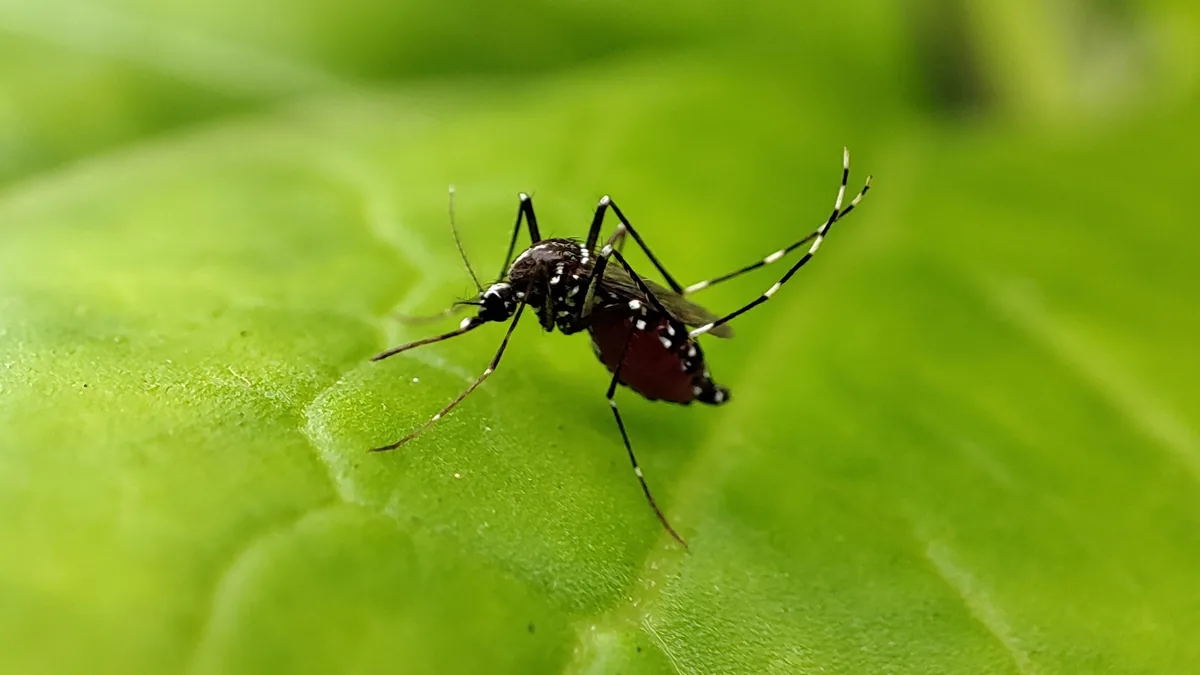
Dengue in Florida is running well above its usual level this year. The state has recorded about 190 locally acquired cases across six counties, alongside roughly 212 travel-associated cases, according to reporting published on 25 September. The virus has also turned up in 17 mosquito pools during the season.
The travel-related figure is close to normal. The locally acquired count is not, and the Tampa Bay area accounts for much of it.
Why locally acquired cases matter more
A travel-associated case means someone caught dengue abroad and was diagnosed after returning. A locally acquired case means a mosquito in the United States picked up the virus and passed it to someone who had not left the country. The second kind tells you the transmission chain is operating locally.
For scale, the CDC recorded a record 3,798 dengue cases in the United States during 2024, of which 97.2 per cent were travel-associated and 2.8 per cent locally acquired, as set out in its MMWR report. Florida’s balance this year looks different from that national picture.
The symptoms to know
Most infections cause fever with some combination of severe headache, pain behind the eyes, muscle and joint pain, nausea and a rash. Many people have no symptoms at all.
The warning to remember is about timing. Severe dengue usually appears as the fever drops rather than while it is high. Therefore, get emergency care straight away if severe stomach pain, repeated vomiting, bleeding from the nose or gums, blood in vomit or stool, or extreme tiredness begins after a fever breaks.
For pain and fever, clinicians advise acetaminophen rather than ibuprofen or aspirin, because those can raise bleeding risk. Our full guide covers dengue fever symptoms in detail.
How to lower your risk
- Use repellent in daylight. The mosquito that spreads dengue bites during the day, so morning matters as much as dusk.
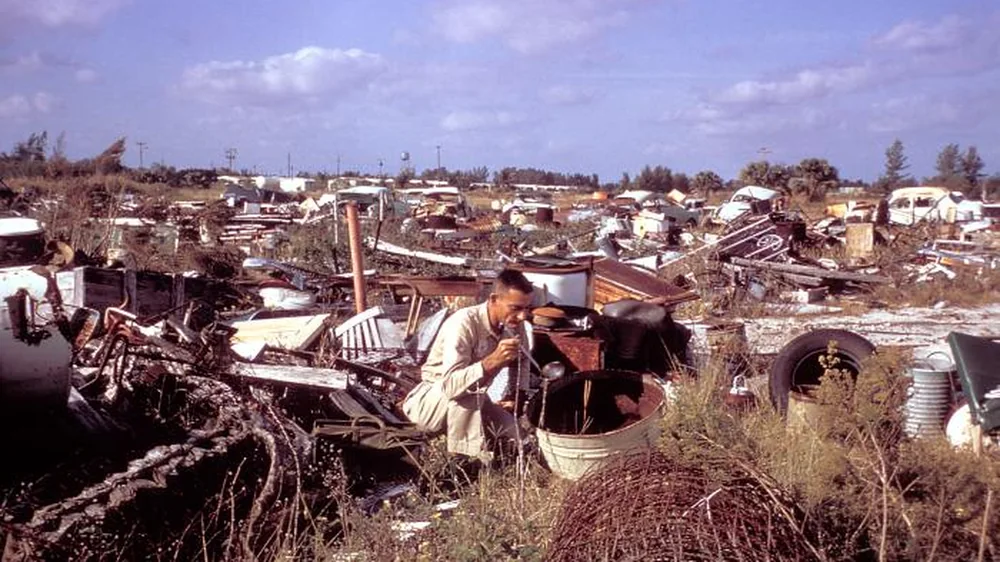
- Empty standing water weekly. Plant saucers, buckets, tyres, bottle caps and gutters are all breeding sites.
- Fix screens. Window and door screens do a great deal of the work.
- Cover up where cases are reported. Long sleeves and loose clothing help.
- Tell your doctor where you have travelled. It changes which tests they order.
What health authorities are advising
The CDC has issued a health advisory on the ongoing risk of dengue infection in the United States, together with updated testing recommendations for clinicians. You can read it in full on the CDC Health Alert Network, and check current risk areas on the CDC dengue pages.
Researchers also note that Aedes aegypti, the main carrier, has been confirmed further north than its traditional subtropical range. That does not mean outbreaks follow automatically, because transmission needs the virus to arrive as well as the mosquito.
Questions about dengue in Florida
Is it safe to travel to Florida?
No travel restriction has been issued. The sensible response is repellent, screens and emptying standing water rather than cancelling plans.
Is there a vaccine?
Dengue vaccination exists but is limited to specific groups and settings. Ask a clinician whether anything applies to you, rather than assuming it does.
Can you catch dengue twice?
Yes. There are four dengue types, and a second infection with a different type carries a higher risk of severe illness. That is why the post-fever warning signs matter so much.
Sources: CDC dengue data, CDC MMWR and Northeastern Global News. This article is general information, not medical advice.
Leave a Reply